Available Now on Amazon

The Psychology of
Influencer Marketing.

The book teaches the theory of seeding. Sonar Seed is the tool built to execute it. Stop guessing why campaigns fail and start understanding the cognitive biases that drive genuine advocacy.
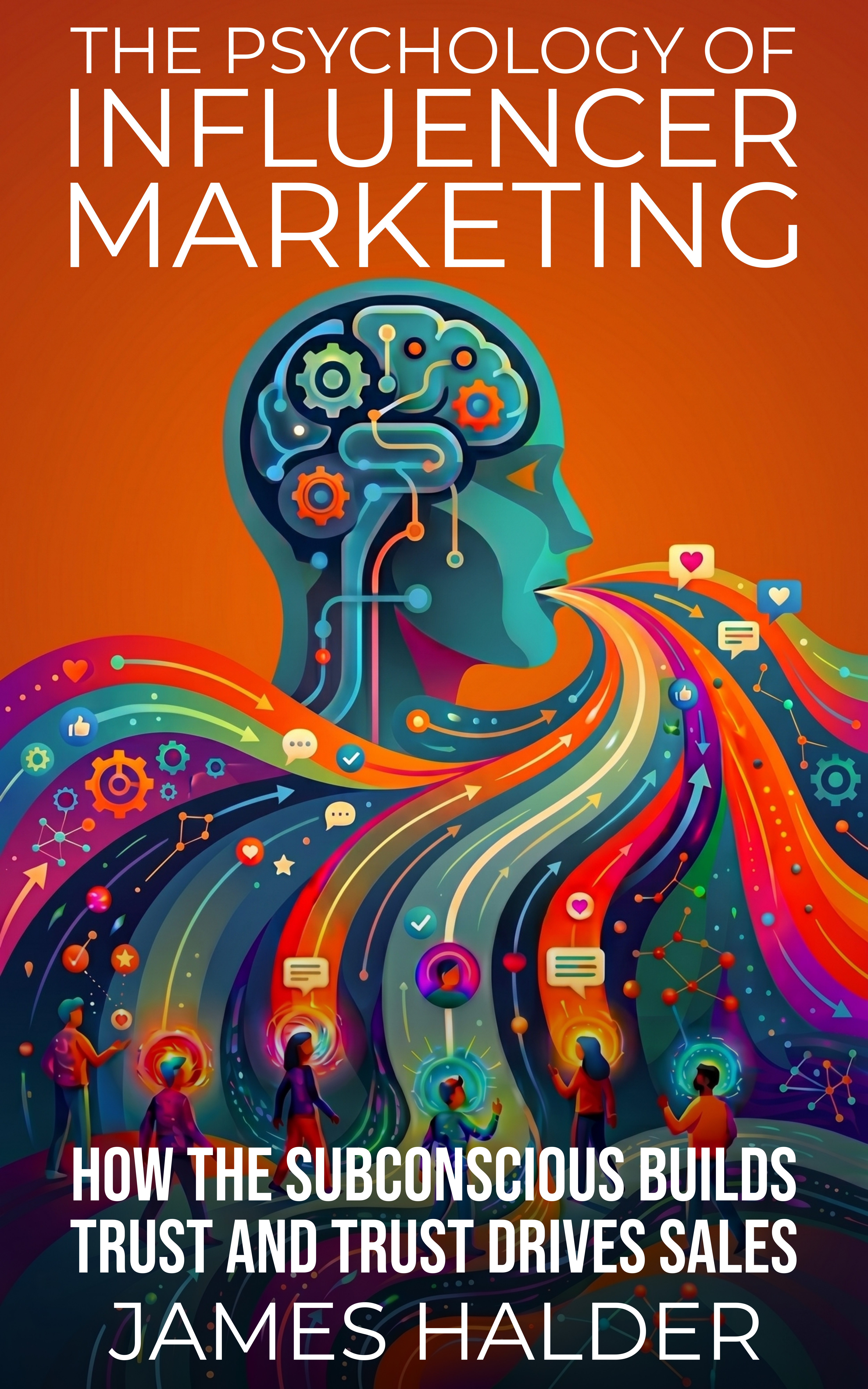
The Psychology of Influencer Marketing Book Cover

CAC is rising, and traditional influencer outreach is losing its edge.

The cost of acquisition has tripled. Audiences have developed "ad-blindness" for scripted promotions. To thrive in the post-cookie e-commerce landscape, brands must stop buying attention and start earning advocacy.

Relational Friction

Scripted exchanges feel fake because they are transactional at the core.

Ad-Blindness

Users ignore any content that looks like a paid advertisement.

The Trust Gap

Trust is the most expensive commodity in modern marketing.

The Solution.

A framework for scalable advocacy rooted in evolutionary biology and behavioral economics.

Chapter 4 / psychology of gift-giving in e-commerce

Why 'No Strings Attached' Creates the Strongest Bonds

Chapter 4 explores the psychology of gift-giving in e-commerce and B2B sales. Transactional exchanges carry hidden relational friction: when a brand sends a product and expects a guaranteed post in return, audiences detect the implicit ledger, and that perception kills genuine advocacy. The book makes the case for unconditional giving instead. By sending a gift or resource with no strings attached, brands activate the behavioral law of reciprocity. When influencers or B2B prospects receive value without demands, they feel a natural urge to reciprocate on their own terms. This unprompted endorsement creates the strongest parasocial bonds and the most credible social proof.
psychology of gift-giving in e-commerceunconditional givingreciprocity
4

"Why 'No Strings Attached' Creates the Strongest Bonds"

Chapter 5 / endowment effect in influencer marketing

Turning Reviewers Into Believers

Chapter 5 explains how to leverage the endowment effect in influencer marketing to transform passive reviewers into passionate brand advocates. The endowment effect is the psychological principle that people assign greater value to something the moment they feel ownership over it. The chapter details how e-commerce brands can trigger this cognitive bias through tiered early access programs. By sending hero products to creators weeks before a public launch, brands give creators the time to integrate the product into their daily lives. That sense of psychological ownership shifts their messaging from scripted, surface-level ads to deep, authentic testimonials.
endowment effect in influencer marketingpsychological ownershipbrand advocates
5

"Turning Reviewers Into Believers"

Chapter 6 / costly signaling theory

Why Imperfection is the Ultimate Integrity Signal

Chapter 6 applies evolutionary biology to digital marketing, exploring the role of costly signaling theory in brand building. Now that AI can produce flawless, polished content for free, perfection has become a suspicious commercial signal. The chapter argues that true authenticity in influencer marketing cannot be performed; it must be permitted. When a creator shares an unedited moment or offers a mixed review, they are taking a genuine reputational or financial risk. That costly signal proves their honesty. By allowing creators to highlight a product's actual limitations, brands foster deep parasocial trust built on permitted imperfection.
costly signaling theoryauthenticity in influencer marketingmanufactured authenticity
6

"Why Imperfection is the Ultimate Integrity Signal"

Chapter 10 / implicit targeting

Scalable Personalization: How to Target Niches Without Being Creepy

Chapter 10 tackles the 'Privacy Paradox' in modern marketing: consumers demand personalized experiences but reject ads that feel like surveillance. The chapter provides a tactical playbook for moving from explicit demographic targeting to implicit targeting in social media. An influencer filming a morning routine naturally acts as a human algorithm, filtering for the right hyper-niche audience without invasive tracking. The chapter also outlines how to ethically capture that high-intent traffic by engineering a 'Reciprocity Engine' for your Shopify store through value-driven tools like personalized quizzes.
implicit targetingzero-party data in e-commerceprivacy paradox
10

"Scalable Personalization: How to Target Niches Without Being Creepy"

Chapter 11 / return on influence vs ROI

Return on Influence vs. Return on Investment

Chapter 11 fundamentally redefines how brands should measure the compounding value of creator partnerships. Traditional ROI models rely on linear, click-to-conversion attribution, which severely undervalues the non-linear nature of social proof. 'Return on Influence' tracks what a campaign builds over time: domain credibility, net new reach, audience sentiment, and unprompted organic advocacy. By shifting from short-term transactional metrics to the long-term accumulation of trust, brands can build an authoritative presence that significantly lowers future customer acquisition costs (CAC).
return on influence vs ROImeasuring B2B influencer marketingcompounding social proof
11

"Return on Influence vs. Return on Investment"

James Halder

James Halder

Author & Director

James Halder is the author of The Psychology of Influencer Marketing and serves as the Director at Sonar Seed. His work focuses on shifting marketing from a battle for attention to a system for scalable advocacy, helping brands understand the psychological drivers of genuine brand loyalty.

Learn about Sonar Seed