The One-Page Revolution: Why Your Influencer Briefs Need to Shrink
Stop killing authenticity with 20-page PDFs. Learn how a strategic, one-page brief - paired with a solid agreement - can unlock creator creativity and drive higher engagement for your Shopify brand.
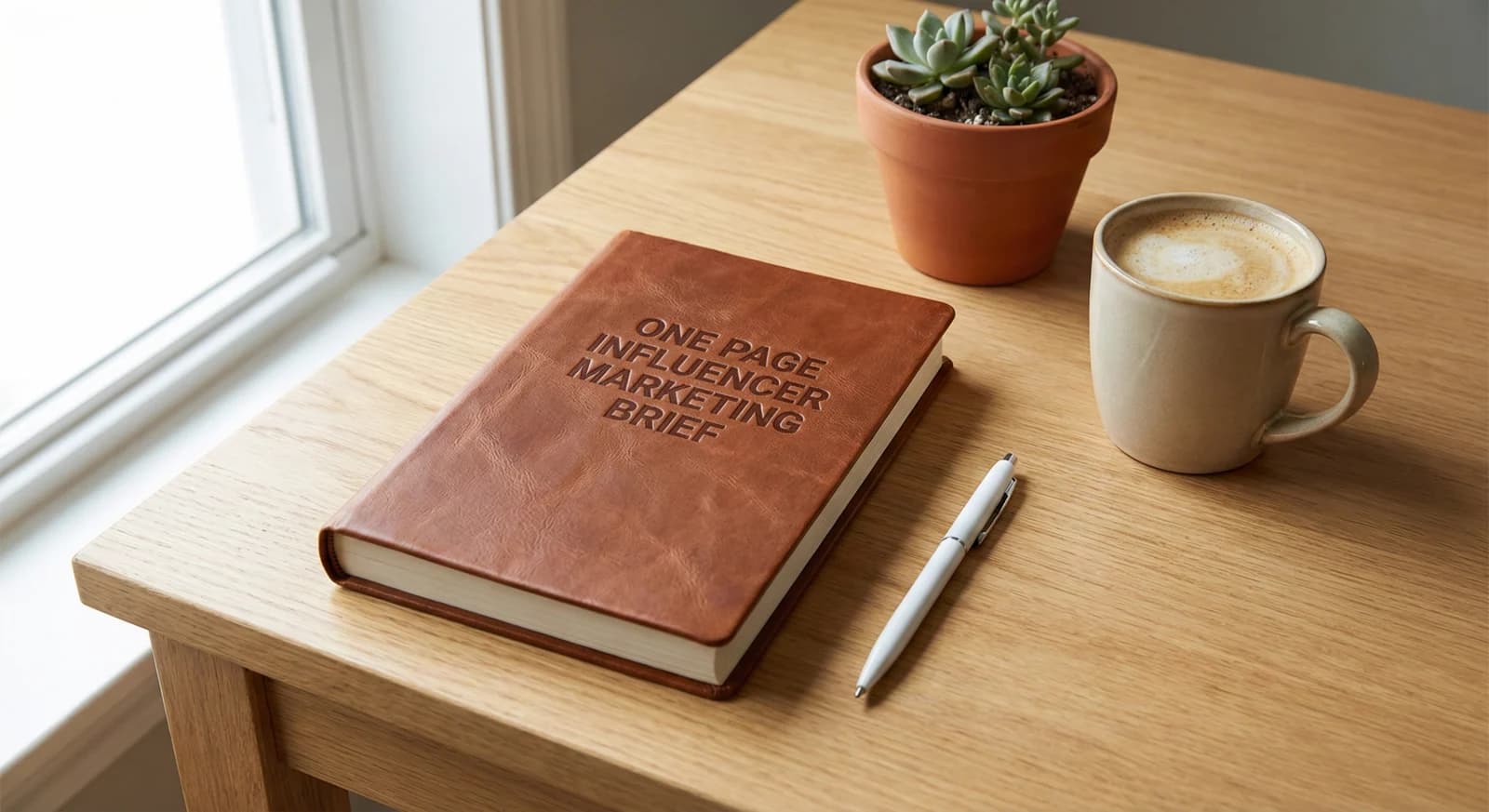
Picture this: you've spent weeks securing the perfect creators for your campaign. You're excited to see the content roll in. But then it happens. The influencer brief you sent was a 20-page PDF stuffed with product specs, legal jargon, and rigid scripts. The result? Creators feel boxed in, the content feels forced, and engagement falls flat.
At Sonar Seed, we've seen brands pour thousands into partnerships only to watch them land with the enthusiasm of a Monday morning meeting. The culprit? Bloated briefs that smother authenticity.
After working across countless collaborations, one thing is clear: authenticity is the only currency that matters. Nothing kills it faster than over-engineering the creative process.
The Problem with the 50-Slide Deck
Many brands believe that "more information = more control." In reality, more information creates cognitive load. If a creator has to spend two hours decoding your instructions, they aren't spending that time being creative.
But there's another side to this that brands often miss: a brief that's too vague is just as damaging. We once received a beautifully produced video where the brand wasn't mentioned until 15 seconds in - by which point most viewers had already scrolled past. Technically, nothing was wrong with the content. But because the expectations weren't clearly documented upfront, there was no basis to request a change. Performance suffered, and so did the relationship.
Clarity always beats both extremes. A focused, sharp one-page brief gives creators the direction they need without strangling their voice.
The 5 Essentials of a High-Converting Brief
A great brief doesn't need to be long, but it does need to be precise. The best results always come from covering these five core components:
1. The Campaign Outcome
Pick one primary objective: awareness, traffic, or conversions? State it in a single line. More importantly, go a step further - tell the creator what the audience should understand, feel, and do after watching. Influencers perform better when they're briefed on the purpose, not just the format.
2. The Audience & The Problem
Don't just give demographics. Tell the creator who they're talking to and what problem your product solves for that person.
- Example: "We're talking to busy parents who feel like their weekday mornings are chaos."
3. Key Messaging
Distil what absolutely must come through: core product benefits, correct brand name pronunciation, any legal disclaimers, discount codes, and specific claims. These details seem minor in a brief, but they're costly to correct after filming. We've had creators mispronounce a brand name in a voiceover and skip required talking points entirely - because the brief didn't make them non-negotiable.
4. Visual Direction
This isn't a mood board dump - it's a small number of clear signals. Tone (aspirational, casual, educational). Setting (in-home, outdoors, studio). Framing (face-to-camera, product-heavy). And critically: what to avoid.
Take a shelving brand as an example. The brief required the product to be shown styled as it would genuinely appear in a home - not an empty room, but a lived-in space with books, plants, a few personal items. When creators followed that direction, the content felt aspirational without feeling staged. Revision rates stayed near zero. When a creator submitted a shot that didn't match the intent, the brand could point directly to the brief - no subjectivity, no awkward back-and-forth.
5. Post Criteria
Be explicit about the required elements: account tags, affiliate links, promo codes, story link stickers, calls to action, and disclosure requirements. Be equally clear about what isn't acceptable - competitor inclusions, risky content, or language that falls outside your brand standards. The more precise you are here, the fewer surprises you'll encounter on deadline day.
Guide, Don't Direct
Influencers are not actors. They know their audience's inside jokes and exactly what gets shared in the group chat.
Instead of scripting every word, use creative guardrails:
- DO: Show the product solving a real, relatable problem in a natural setting.
- DON'T: Read from a script or lean on corporate language.
- THE GOAL: Make it feel like a recommendation to a friend, not a sponsored read.
Don't Forget the Agreement
A sharp brief protects performance. But campaigns can still unravel without a solid agreement behind them.
We once worked with a creator who delivered genuinely strong content - good fit, healthy engagement, and solid early results. Three weeks later, the post was gone. It no longer suited the creator's feed direction, so it was archived. We had nothing in writing that required it to stay live. The result: lost reach, broken attribution, and no leverage to resolve it.
Your influencer agreement doesn't need to be complicated, but it does need to cover a few essentials:
- How long the content must remain live - 3 months, 6 months, or permanently. If discoverability is part of your ROI, lock it in.
- Usage and licensing rights - if you want to amplify content as paid media or across other channels, define that upfront. These conversations get harder (and more expensive) once great content already exists.
- Revisions and quality control - how many rounds of feedback are included, and what triggers a reshoot. Without this, even reasonable correction requests can feel like a conflict.
- Specific deliverables - not just "1 reel and 3 stories," but duration, format, CTA placement, brand mentions, and visibility standards.
Think of the brief and agreement together as the campaign infrastructure. The brief sets the creative direction; the agreement protects the outcome. The Essential Influencer Collaboration Checklist ensures the brief and agreement are just two parts of a complete, flawless execution process.
The "Two-Minute Test"
Before you send your next brief, try this: open it on your phone and read it in under two minutes. If you can't finish it - or lose focus halfway through - your creators will too.
Further Reading & Resources
Explore the Topic
- Influencer Marketing Strategy: The Ultimate Guide - The strategic foundation for all creator communications.
Free Tools
- Influencer Contract Generator - Pair your one-page brief with a solid, professional agreement.
Ready to Scale?
- Manage your briefs at scale with Sonar Seed - The frictionless way to coordinate hundreds of creator partnerships.